
Unlocking The Power Of The Perfect Fit
How Face Fit Testing Ensures Maximum
Respiratory Protection, Or Does It…?
Unlocking The Power Of The Perfect Fit
Achieving an adequate correct fit of respiratory protective equipment (RPE) is essential to ensure the safety of workers operating in potentially hazardous environments. An inadequately fitted mask will fail to provide the required level of protection that is necessary to protect the wearer from the dangers of respirable hazards, subjecting employees to increased risks of life-changing or even fatal respiratory conditions.
In this guide, we will discuss why respiratory protection is important, the different types of RPE that are available, and how and when face fit testing should be implemented to help ensure that the selected RPE will offer effective safeguards against the dangers posed by respirable particles.
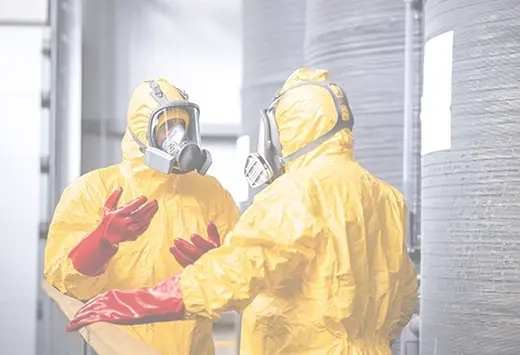
Why Is Respiratory Protection Important?
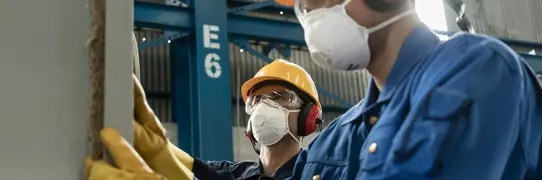
In many industries, from emergency services and healthcare to construction and manufacturing, RPE plays a crucial role in shielding workers from inhaling harmful respirable hazards, thereby safeguarding their wellbeing and ensuring full compliance with health and safety regulations.
Respiratory Protection Is Important for Several Reasons:
Protection From Respirable Hazards
RPE reduces the risks of workers developing workplace-related respiratory illnesses and long-term health complications that can be caused by inhaling dangerous substances, such as dust, fumes, toxic gases or vapours and even infectious agents. Without proper protection, employees are at risk of inhaling these hazardous substances which can cause severe health issues, including respiratory infections and lung diseases such as COPD or Asthma; many cancers have been linked to inhalable substances. By providing the appropriate respiratory equipment, employers actively mitigate these risks and prioritise the short and long-term health and wellbeing of their workforce.
Compliance With Health And Safety Legislation
Respiratory protection helps businesses and organisations adhere to strict industry regulations and guidelines concerning the exposure of workers to respirable hazards. Under the Health and Safety at Work Act (1974) and the Control of Substances Hazardous to Health Regulations (2002), organisations must take steps to protect employees; failure to do so not only unnecessarily exposes workers to danger, but also invites severe legal repercussions and financial penalties for non-compliance.
Increased Workplace Productivity
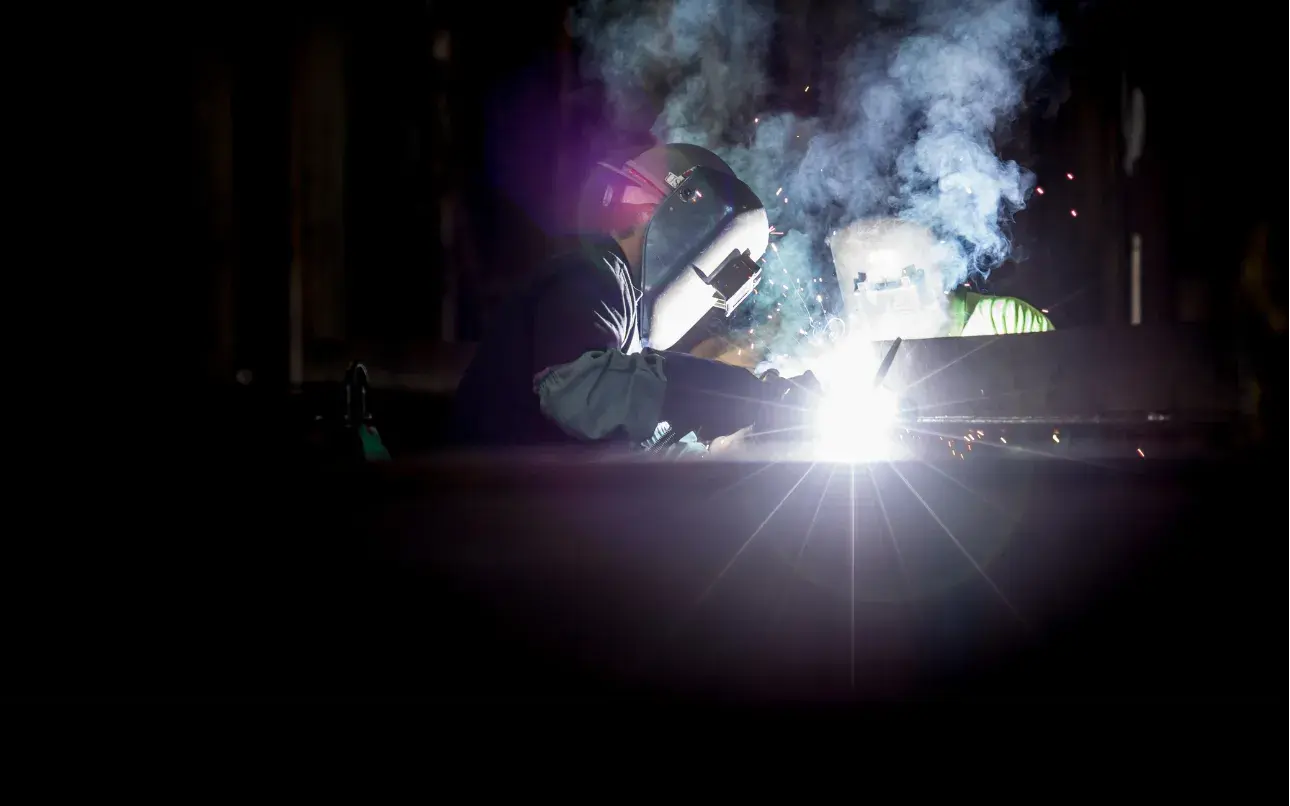
Employees who are concerned that they are being exposed to respirable hazards are likely to carry out their work more slowly to minimise the risks to their health, which can result in tasks taking longer to complete. In contrast, staff who are confident that they are afforded robust protection will be able to focus on their work without worrying about health hazards, resulting in better concentration, efficiency, and productivity. If the RPE is properly selected, then this itself should not impinge on the workers' ability to perform their tasks.
Happier Staff Means Lower Turnover
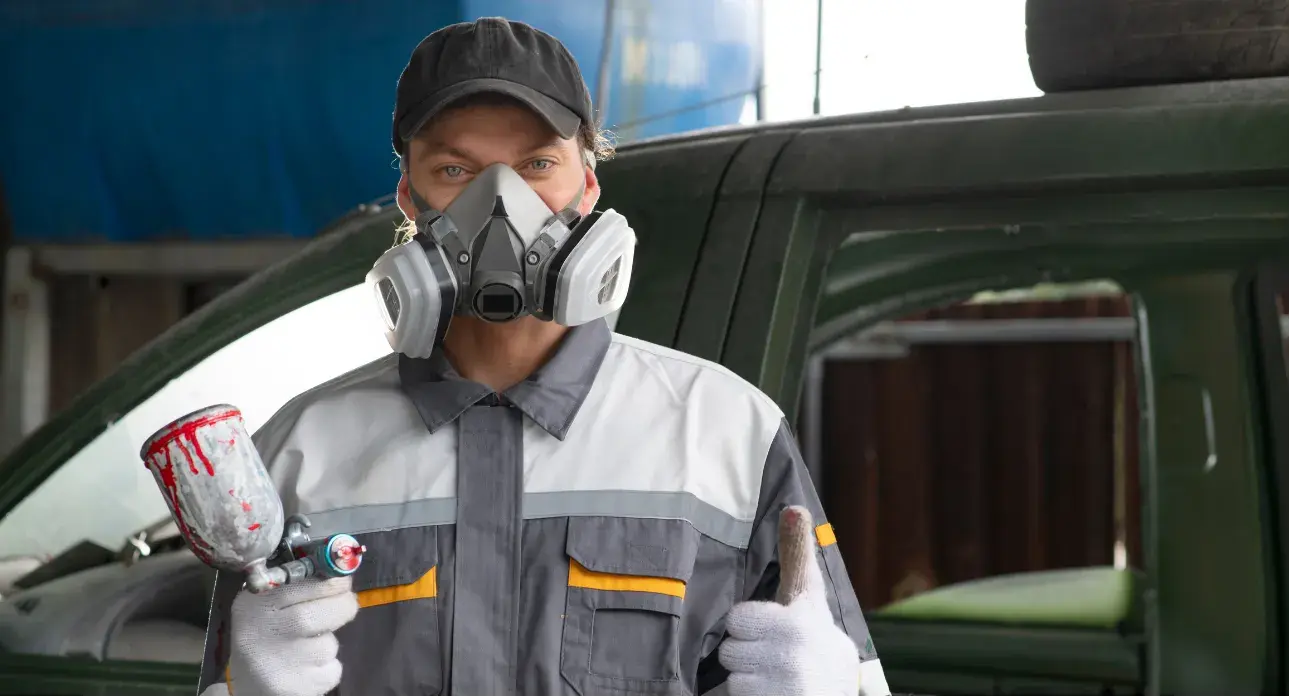
Investing in respiratory protection demonstrates a company's commitment to the safety of its employees. When workers feel that their employer values their health and wellbeing, they are likely to be happier in their roles and more prepared to work harder to fulfil their responsibilities. Staff are less likely to seek alternative employment, resulting in higher retention rates and lower recruitment costs.
Selecting The Right Respiratory Protection
The safety of employees in the workplace depends, in part, on the correct choice of respiratory protection. Two types are available - respirators and breathing apparatus - so a thorough understanding of the inherent risks of each job and the potential hazards to which staff may be exposed is essential to make an informed and appropriate choice.
Respirators:
Respirators utilise filtration technology to create an effective barrier against contaminants in the air, reducing their entry into the respiratory system by attempting to remove any contamination and make the air safe to breath. These can be simple systems which filter inhaled air, or powered systems where a blower unit might force air through the filter regardless of the user's breathing rate or demand.
Breathing Apparatus:
In contrast, breathing apparatus, such as Self-Contained Breathing Apparatus (SCBA) or Compressed Air Breathing Apparatus (CABA) accesses an independent known clean air source of high-quality breathable air, such as from an air cylinder or compressor, this ensures that the user receives a constant supply of clean air.
This breathing air is entirely separate from the contaminated air in the working environment, and it must be certified as safe to breathe to BS EN 12021 as a minimum.
Both respirators and breathing apparatus can be tailored to the needs of different situations, making the right selection crucial to maintaining a safe working environment.
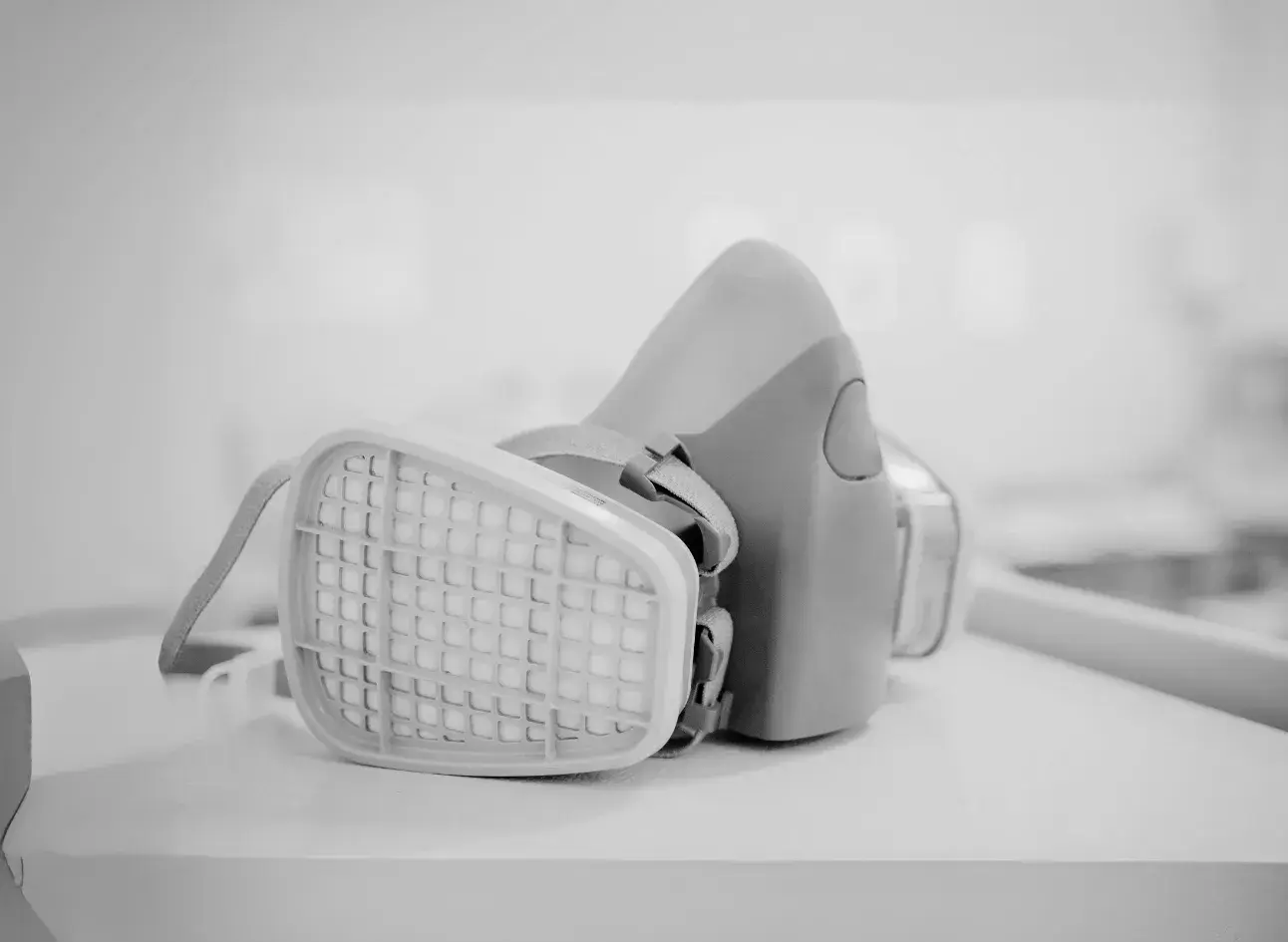
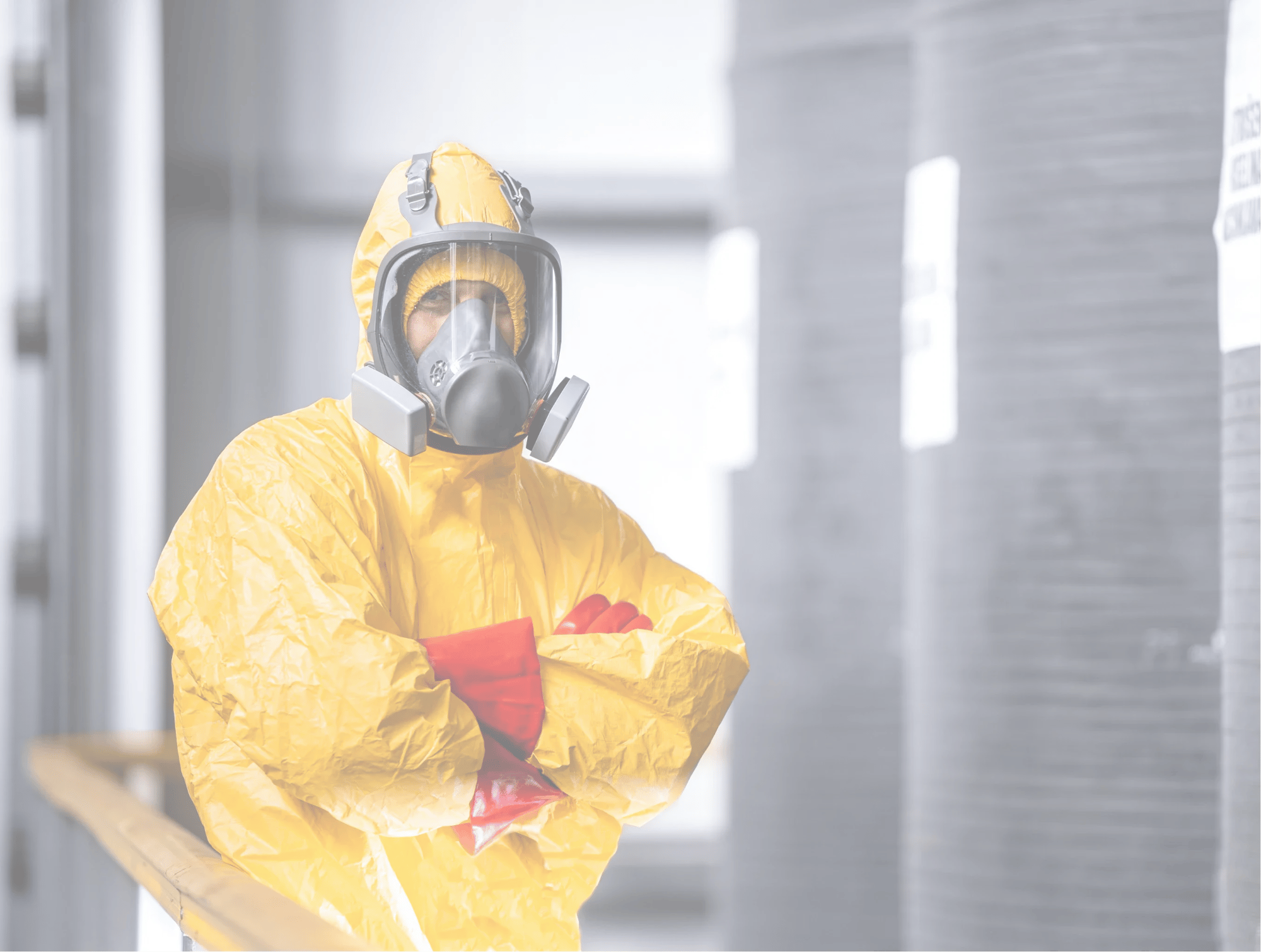
To select the right respirator, a comprehensive understanding of the nature of the tasks and the risks involved is necessary. Workers may be exposed to various concentrations of respirable dangers in different industries, including particulates, gases, fumes, or chemicals. Identifying the potential risk is critical in choosing adequate respiratory protection that will offer some mitigation of the dangers employees face.
However, the process isn’t confined simply to the choice of equipment: the effectiveness of the respiratory protection must be regularly verified to ensure that it functions as intended. Regular maintenance, proper storage, and employee training contribute to the overall reliability of respiratory protection and form critical parts of the respiratory protection programme
How To Conduct A Proper Fit Test
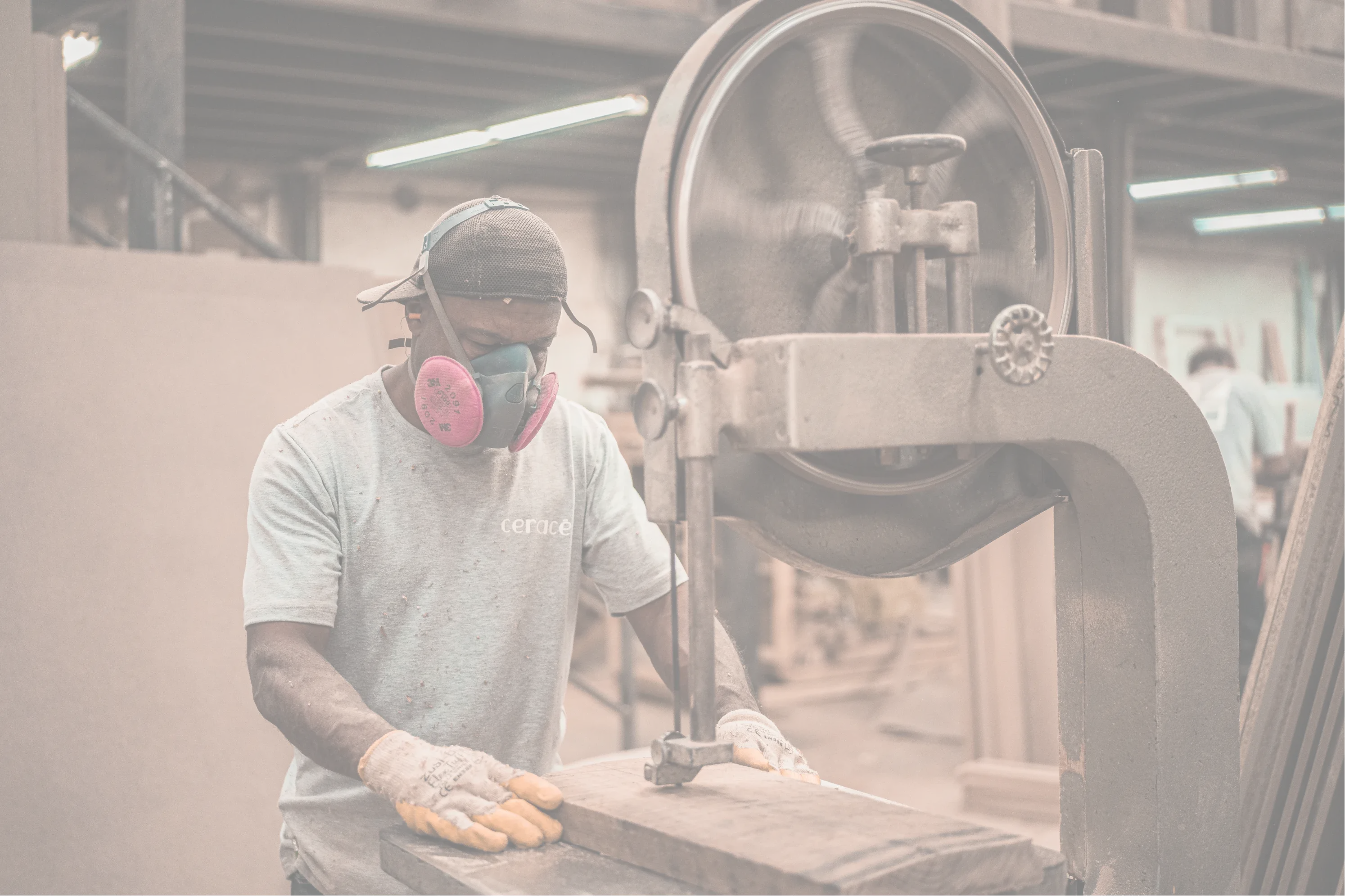
Face fit testing is a critical procedure aimed at assessing the compatibility of a tight-fitting respirator with an individual's face, thereby ensuring the required level of respiratory protection in the workplace can be achieved. In some cases, the smallest leakage could expose the user to significant risks, so it is essential that each individual’s RPE is competently assessed to ensure an adequate fit. It is important not to assume that two employees’ faces are alike, as the unique bone structure of each face means that RPE will fit and so perform differently.
By undertaking a comprehensive evaluation to ascertain the proper fit of the respirator to the user’s face, greater certainty can be achieved that the equipment will offer the rigorous protection necessary to prevent accidental inhalation of dangerous substances and so help demonstrate full compliance with health and safety legislation.
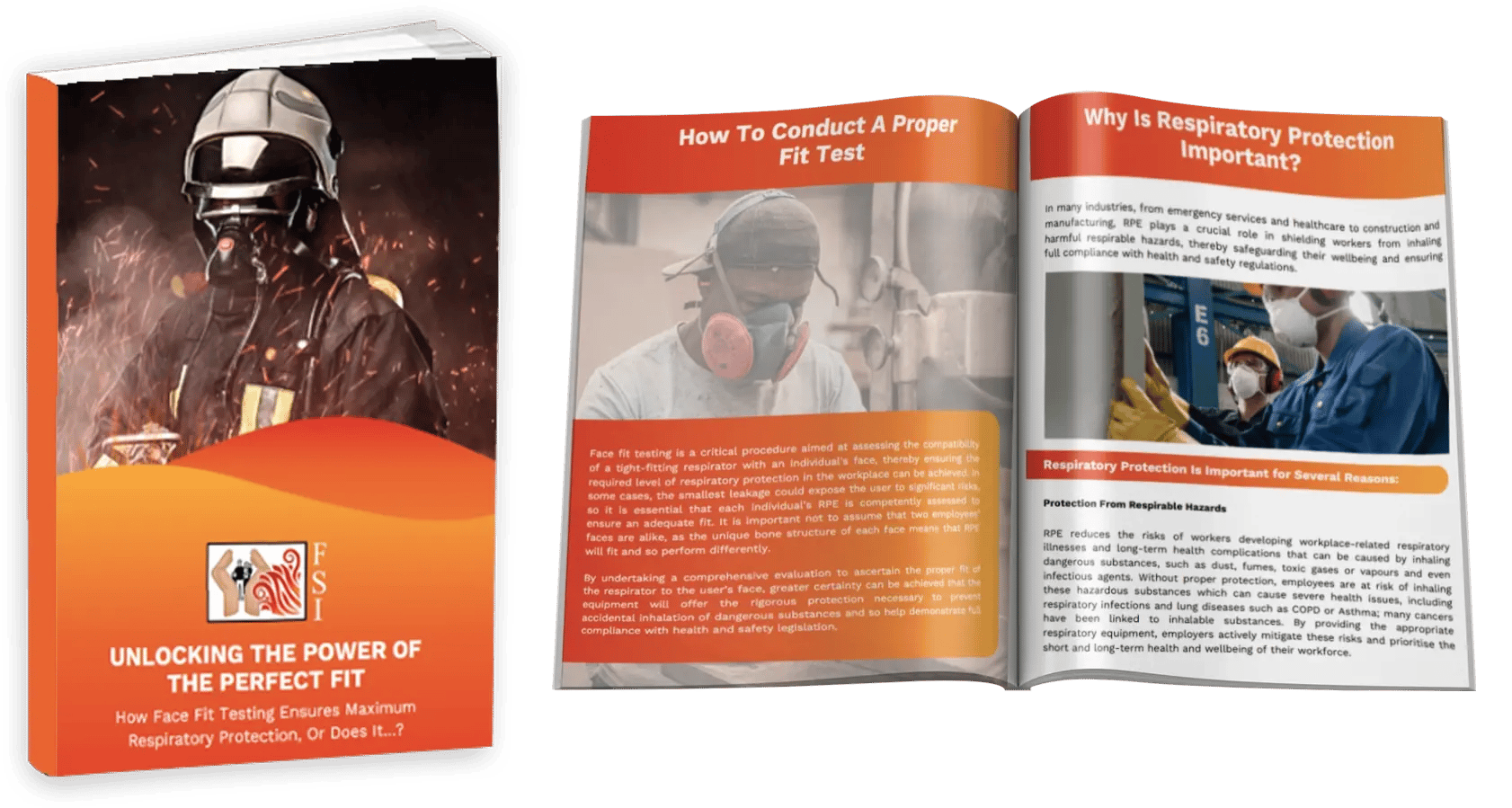
Are You Concerned About the Effectiveness Of Your Respiratory Protection?
Our comprehensive guide, “Unlocking The Power Of The Perfect Fit,” delves into the critical role of face fit testing in ensuring maximum respiratory protection.
In this guide, you will learn:
→ Why respiratory protection is important
→ The different types of RPE that are available
→ How and when face fit testing should be implemented
To get your FREE guide, simply fill out the form on this page.
There are two types of fit tests: Qualitative and Quantitative

1. The Qualitative Test (Taste Test Method)
In the qualitative test – (which must not be confused with the pre-use seal check) - the user’s sense of taste is used to evaluate the adequacy of the seal between the RPE and their face.
The test requires the user to detect (or not) the presence of a harmless agent, whilst the mask is challenged by the wearer performing a series of movements.If the seal is adequate and a sufficient quantity of challenge agent is established around the mask seal, then the wearer will not experience a taste response; if they do then the mask has leaked, and the seal is considered not adequate. Because the test is based on the taste sensation and no measurements are taken, the test is an assessment of the quality of the mask seal, there is no quantitative measurement – this is a Qualitative Test.

2. The Quantitative Test (Ambient Particle Counting Method)
The quantitative methods (Ambient Particle Counting, APC, or Controlled Negative Pressure, CNP), are generally considered to be a more accurate and objective way to ascertain the effectiveness of the mask seal to the user’s face.
The APC method utilises an ambient particle counting device, such as the AccuFIT 9000, to measure the concentration of particles inside the face mask and compare that with the concentration of particles outside the facemask. If the particle concentration is similar then, this indicates that there are leaks in the mask which might pose a serious risk to the user in the workplace.
If the particle concentration inside the mask is significantly lower than that outside, then this indicates the mask is effective in which case it must have a seal. The ratio comparison of these two measurements indicates the effectiveness of the seal which is referred to as the “Fit Factor.”
The CNP method utilises a pressure monitoring device to accurately measure leakage into the mask whilst a controlled negative pressure is applied to it.This method is suitable only for rubber-type masks, not disposable filtering facepiece type.
In contrast to the qualitative test, the quantitative method does not rely on subjective taste responses; instead, it depends on data-driven measurements, thereby offering a more precise assessment of respirator efficacy.
The Ambient Particle Counting Method:
-
Is the preferred choice of face fit testing for many industrial users of RPE.
-
Offers higher levels of objectivity and reliability, driven by real-world data.
-
Eliminates the variability that is unavoidably introduced by the subjective taste perceptions and of qualitative testing.
-
Removes the necessity for the test technician to create a sufficient quantity of challenge agent.
-
Provides a more consistent and trustworthy evaluation of the effectiveness of the RPE’s fit.
At Fire Safe International, we provide expert quantitative face fit test training by experienced Fit2Fit qualified instructors, either at your site or our dedicated training centre in Shrewsbury, Shropshire. Our training programme will ensure your fit testing will meet the standards and protocols of HSE INDG 479 and Fit2Fit, so you can be assured of a high-quality and reliable approach to equipping your staff with the knowledge and skills to carry out on-site quantitative testing.
Why It Is Essential To Conduct Regular Fit Testing
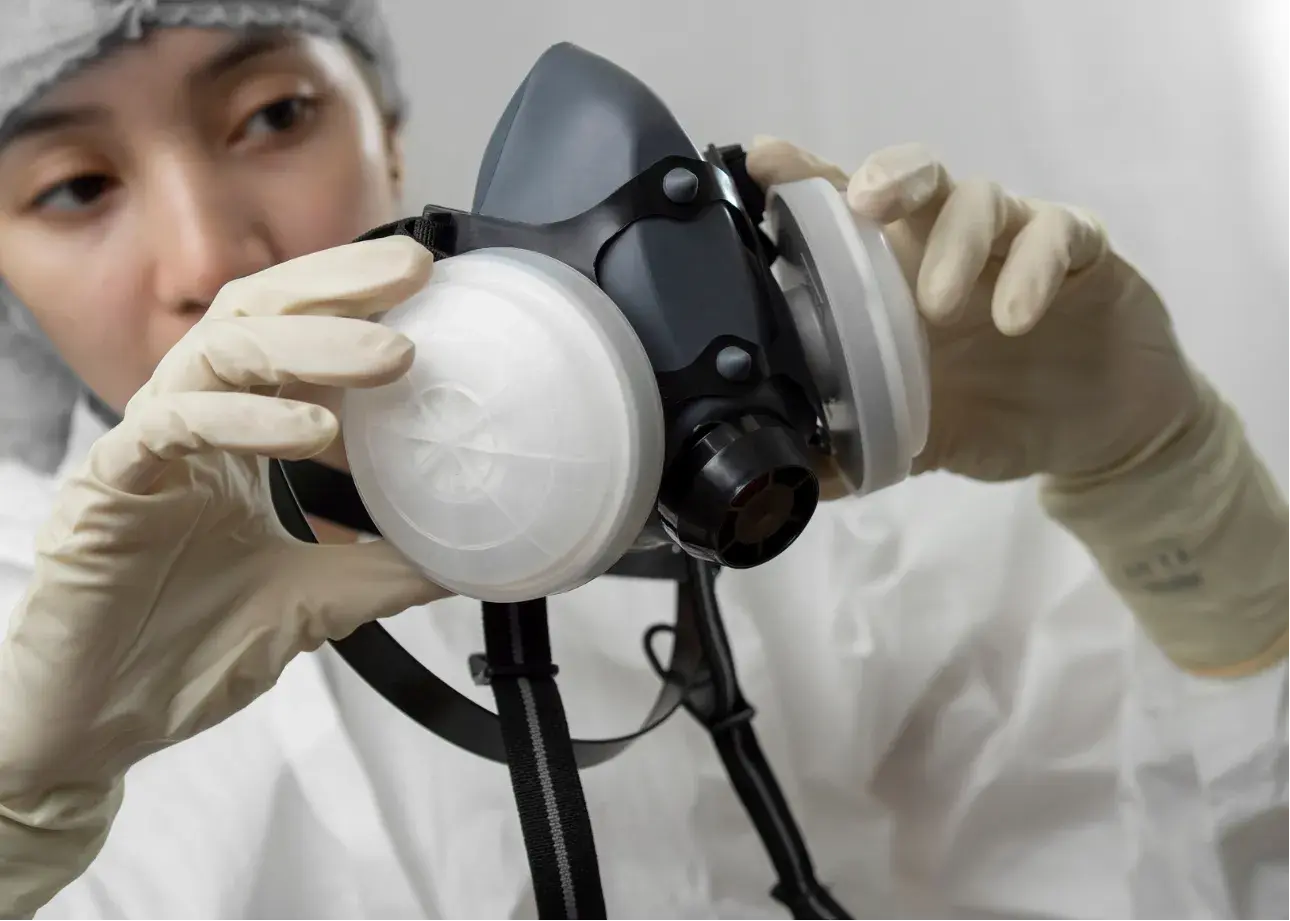
Regular fit testing is crucial to maintain consistent and effective respiratory protection. To ensure the suitability of RPE, fit tests should be conducted at key intervals, including:
When a new respirator is chosen.
If there are discernible changes to the user’s facial structure, for example, due to weight fluctuations, dental work, or reconstructive surgery.
If there are changes that could potentially impact the respirator's fit, such as modifications to other head-worn personal protective equipment (PPE).
Fit testing verifies that the respirator maintains a proper seal against the user’s face, minimising the risk that respirable contaminants will be inhaled. Weight changes or the use of other head-worn PPE can influence the fit, potentially compromising the effectiveness of the protective barrier that RPE provides. By regularly conducting fit tests, employers can ensure that the selected respiratory equipment remains effective and aligned with safety standards, thereby safeguarding workers' health and wellbeing on an ongoing basis.
While choosing the right respiratory equipment for a task and ensuring that it fits correctly is essential, it is also imperative that users are comprehensively trained in its use. Even a perfectly fitting respirator can fall short of delivering adequate protection if used incorrectly.
Consequently, respirator training for workers on the proper use of RPE is essential, but what aspects should be covered?
Training Workers In The Proper Use Of Respiratory Equipment

1. How to Recognise The Suitability Of Their Respirator For The Risk Environment.
The workplace is dynamic, and processes and risks can change or be adapted to specific circumstances; it is critical that the wearer understands the limitations of the use of their issued RPE and have the confidence to seek help and support if they recognise any changes which might affect their protection.

2. How To Care For And Maintain Their Respirators:
Employees should understand how the regular inspection, cleaning, and storage of protective respiratory equipment will keep it in optimum condition and prevent wear and tear or degradation that could render the equipment ineffective.

3. How To Take Off And Put On Their Respirators:
Workers should be taught the meticulous process of putting on (donning) and removing (doffing) their respiratory protective equipment, in conjunction with any other PPE, as incorrect practice could unnecessarily expose staff to respirable hazards. Personnel are at greater risk of exposure during the doffing phase of their PPE as they are very likely to be carrying contamination on their outer clothing which can easily be transferred unless a proper decontamination process is followed.

4. How To Perform A Seal Check:
Training programmes should ensure that staff understand how to carry out an accurate pre-use inspection, function test and seal check, in accordance with manufacturer instructions to ensure a proper fit and a secure barrier against harmful particles.
Effective training not only equips staff with vital practical skills but also underscores the importance of respiratory protection in the workplace. A professional programme of training will underline the vital role that respiratory protective equipment plays, so workers are more likely to diligently adhere to the established protocols. Training is a core component of a safety-first working environment and is fundamental to the eradication of respiratory dangers.
The effectiveness of RPE also hinges on it being integrated into routine operational procedures. Respiratory protection will only be fully effective if safe work practices are adopted, so employees should be made aware of these and educated to understand how RPE should be correctly used. Good practice also includes allowing users to try different types of RPE to judge which they prefer, although all respirators must comply with the required specifications.
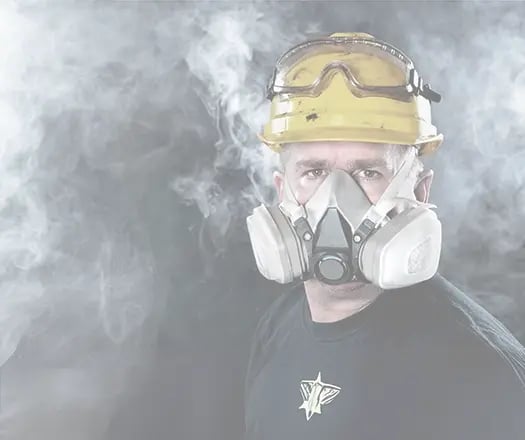
Why Face Fit Testing Should Not Be Neglected
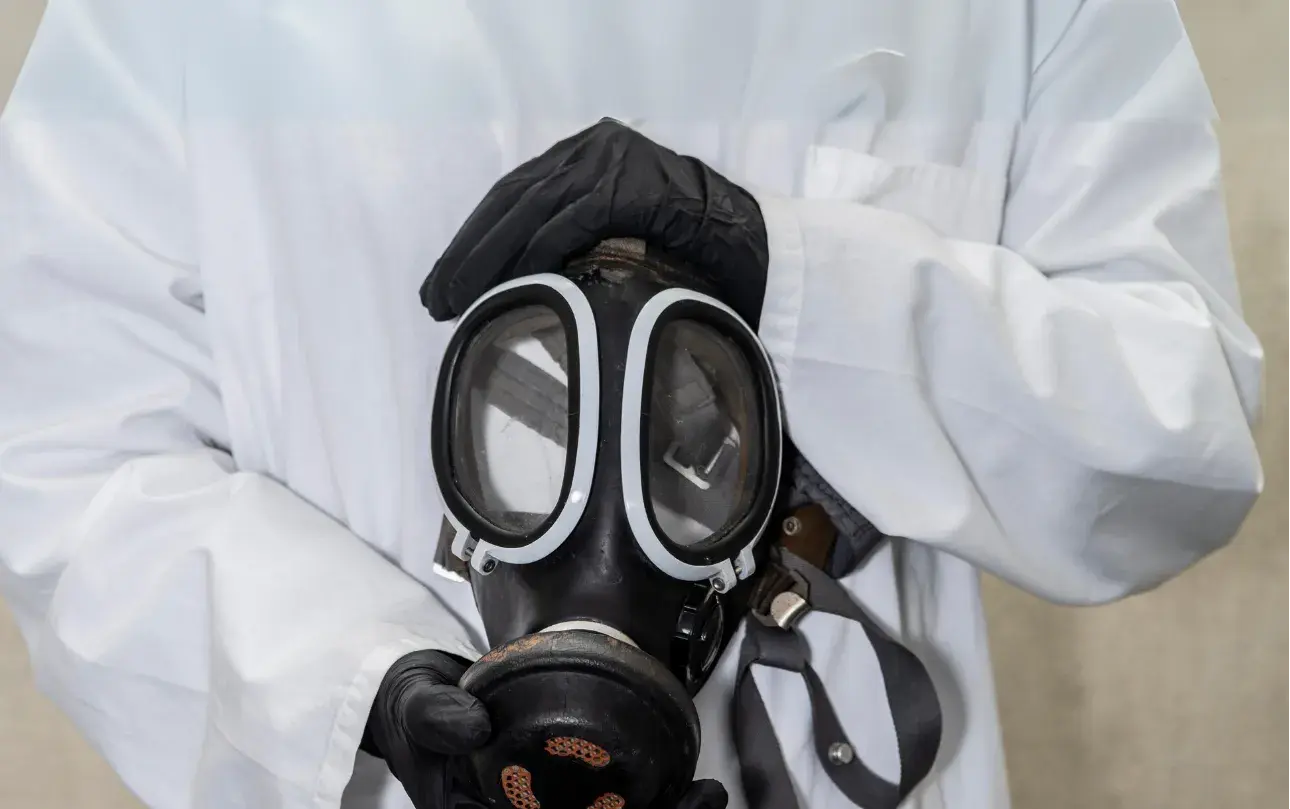
Face fit testing plays a crucial role in ensuring proper respiratory protection for workers in various industries. It is an essential practice that helps to verify the effectiveness of respirators in creating a proper seal on the user’s face, thereby minimising the risk associated with the potential ingress of harmful respirable substances. The testing process is of utmost importance due to its direct impact on the overall effectiveness of respiratory equipment and the fact that it is a proactive means of ensuring protection, not retrospective.
A well-fitted respirator is a fundamental component in safeguarding workers from inhaling hazardous substances. Because any gap in the seal or an improper fit can significantly compromise protection, face fit testing is a stringent quality control measure that confirms each worker's respirator is correctly adjusted to provide an airtight seal that prevents contaminants from being inhaled.
At Fire Safe International, we recognise the importance of face fit testing and offer comprehensive solutions to address this critical aspect of worker safety. Through our face fit testing services, we ensure that employees are equipped with properly fitting respirators that comply with the most rigorous safety standards. Also, we provide expert face fit tester training to empower organisations to conduct these tests internally and ease the logistic burden fit testing can create.
Get In Touch To Find Out More
If you would like to find out more about our face fit testing or face fit tester training, please get in touch with Fire Safe International by sending our team a message and one of us will get back to you shortly.
